
The remarks came during a virtual gathering marking the fifth anniversary of the Taliban's return to power on Aug. 15, 2021.
Several prominent political figures on Monday warned the Taliban that continued refusal to negotiate could lead to greater armed resistance, with some claiming the Taliban is moving closer to collapse after five years in power.
The warnings came during a virtual gathering marking the fifth anniversary of the Taliban's return to power on Aug. 15, 2021. Opposition figures called for a negotiated political settlement while arguing that the Taliban's rejection of talks was leaving its opponents with fewer options.
Atta Mohammad Noor, a member of the leadership of the High Council of National Resistance for the Salvation of Afghanistan, said the council has not decided to go to war against the Taliban but warned that armed resistance remains an option.
Noor said war is included among the options outlined in the council's charter and that its leaders have decades of experience in armed conflict, including fighting the Taliban.
He said the council had not yet made a decision to pursue war but added that the time could come if its members were forced to take that path.
Noor also referred to efforts to engage with Pakistan, saying he had proposed that Islamabad reach an agreement with the council on what he described as a broader political process.
Ahmad Massoud, leader of the National Resistance Front, meanwhile pointed to recent clashes in the northeastern province of Badakhshan as evidence of what he described as deep public opposition to Taliban rule.
Massoud said the clashes showed that the voice of the Afghan people had not been silenced and argued that Afghans wanted a legitimate and accountable system of government. He also described the fighting in Badakhshan as a political message to the international community.
Abdul Rab Rasul Sayyaf, a veteran former mujahedeen leader and member of the resistance council's leadership, called for the development of a national and inclusive road map to address Afghanistan's political crisis, including a plan for what he described as the “post-Taliban†period.
Sayyaf said the Taliban had achieved “nothing†during its five years in power and asserted that its rule would eventually end. He also accused the Taliban of presenting a “distorted and incorrect†image of Islam to the world through its policies and actions.
Mohammad Mohaqiq, another member of the council's leadership, criticized recent remarks by Taliban Foreign Minister Amir Khan Muttaqi rejecting the need for negotiations with political opponents.
Muttaqi recently said there was “no problem†in Afghanistan that required negotiations with the Taliban's opponents.
Mohaqiq characterized the rejection of negotiations as a sign of what he called the Taliban's “arrogance and authoritarianism.†He claimed the Taliban was nearing collapse and warned that its opponents could ultimately be forced to turn to war if the group did not change course.
The Taliban have not publicly responded to the opposition figures' remarks.
Taliban authorities have repeatedly rejected calls for negotiations with political opponents and have played down the strength of armed groups challenging their rule.
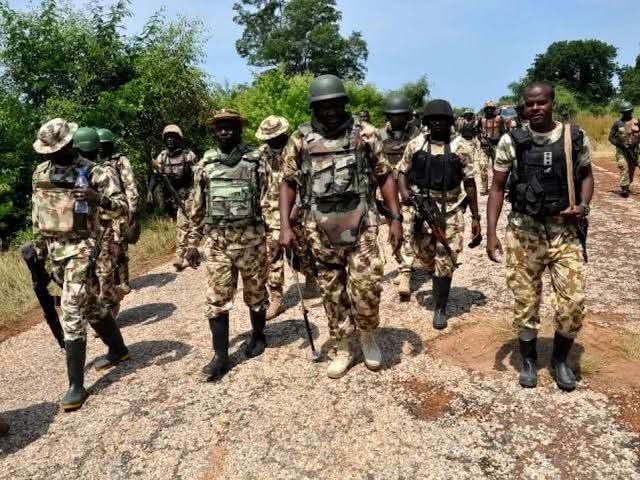
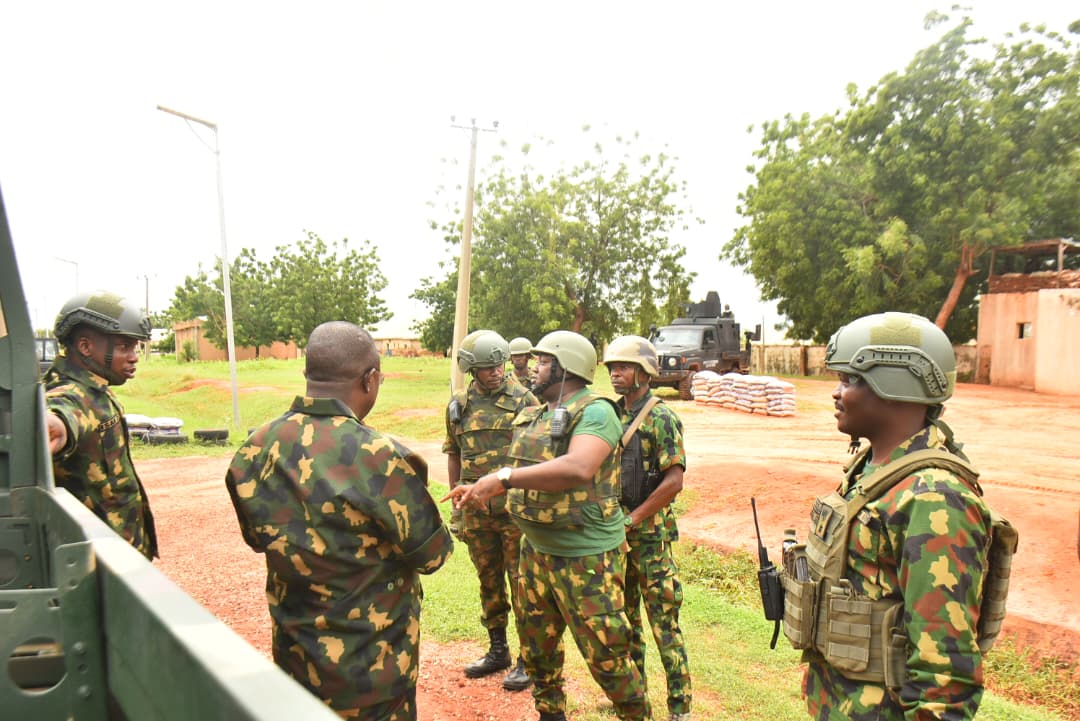
The latest warnings come amid continued clashes between Taliban forces and armed opposition groups, including the Resistance Front and the Freedom Front, which have claimed responsibility for attacks against Taliban in several parts of the country.