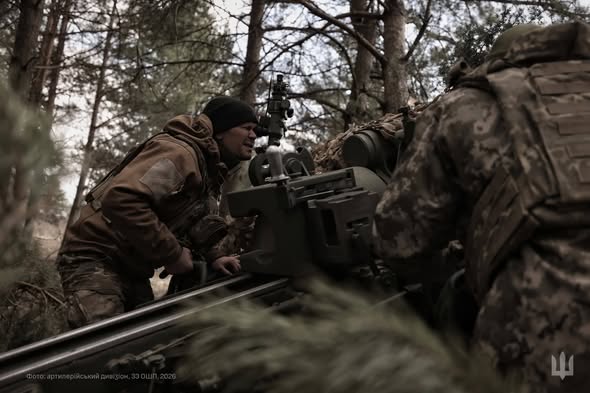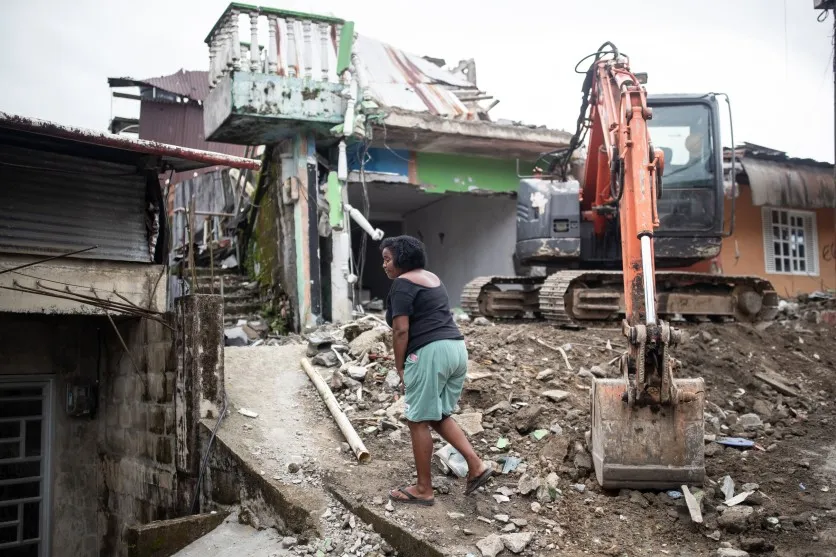
With a long history of conflict and ethnic tension, Myanmar is currently experiencing a severe civil war and humanitarian crisis. After staging a coup in 2021, the state military of Myanmar, the Tatmadaw, seized power in the country. The Tatmadaw defended this by falsely claiming that recent elections were fraudulent. Military general Min Aung Hlaing took rule after the successful coup. Politicians and leaders who opposed the coup were arrested, including the former de facto leader of the country, Aung San Suu Kyi. The Tatmadaw also targeted minority ethnic groups across the nation, so much so that many consider their actions to be genocidal. Within a year of the coup, the situation escalated into a full-scale civil war between the Tatmadaw and a group of resistance militias and groups, primarily the National Unity Government. After five years of fighting, the civil war has killed over 100,000 people and displaced over 3 million.
Following a staged election in early 2026, Military leader Min Aung Hlaing became the officially elected president of the country. Recently, Myanmar's military has ramped up attacks on civilians. According to the Armed Conflict Location & Event Data Project, more than 450 civilians have been killed in the first half of 2026.
Despite years of international criticism and attempts to help the crisis, conflict persists. Many outside nations have found minimal success at protecting citizens or preventing violence. For example, the European Union, Canada, the United Kingdom, and the United States have all placed sanctions on organizations associated with the Tatmadaw. These sanctions, however, have largely been undermined due to poor communication and coordination. Considering the severity of this conflict, this response is insufficient at making any real change.
ASEAN, or the Association of Southeast Asian Nations, is a group that helps Southeast Asian countries work together. ASEAN has attempted to help end the conflict in Myanmar; however, their efforts have largely fallen short. They have banned high-level military leaders from association meetings, while attempting to make peace agreements for the country that the military consistently ignores. These efforts do not work because there is no real enforcement of their peace plan and they do not fully include the people of Myanmar. The Tatmadaw face no penalties or sanctions when they ignore peace treaties. Also, ASEAN usually only talks to government leaders and the military, rather than both sides of the conflict.
On the other hand, powerful nations like China, India, and Russia continue to fully support the Tatmadaw, with all three nations providing arms and materials to the military. Financial backing remains with these nations too. India is one of Myanmar's largest import and export markets, and China is their largest trading partner. In the region, East Timor is the only nation to have sympathized with resistance forces.
Additionally, most nations provide humanitarian aid to this conflict. While aid is vital to provide for the citizens affected by the conflict, it does not tackle the source of the actual problem causing the crisis. Humanitarian aid is necessary, but in many ways, it is not sufficient enough for the people affected.
The Myanmar civil war is a severe and complex conflict; solving it requires coordinated internal and external responses that prioritize civilian protection while remaining sensitive to regional geopolitical interests. First, cooperation between outside nations is essential moving forward. Although many countries and organizations have been assisting financially and materially in the past, this is not enough. An international group should be formed, solely dedicated to helping Myanmar end its civil war. This could be an international coordination council for Myanmar that consists of all the countries and organizations that have been assisting with humanitarian relief and striving for peace throughout the civil war. Countries like Canada, the United Kingdom, and the United States, and organizations like the European Union and ASEAN must work together to peacefully end this civil war. This international coordination council should work with resistance groups and the National Unity Government to assist in developing inclusive peace negotiations and expanding comprehensive humanitarian aid, while providing civilian protection and empowerment.
These groups and nations must work together to create a pathway to peace for Myanmar. This can be done by offering another peace agreement, similar to the one made by ASEAN, but with more nations backing it and with strict enforcement and consequences if not followed. The peace agreement will work directly with the Tatmadaw and the NUG and other resistance groups. The agreement will aim to limit the transfer of military supplies and weaponry to parties involved in the conflict, while holding them to diplomatic standards. If groups do not comply with the peace agreements, they will face heavy sanctions and international penalties. This will ensure that all parties are held accountable and provide greater incentives to comply with the terms of the agreement.
Furthermore, outside nations must not accept staged elections. Instead, the international council should create clear benchmarks for the nation to follow to hold legitimate elections. Some benchmarks include outside observers, fair participation among opposition leaders, transparent election procedures, and any other necessary regulation to maintain fairness. If these are not followed, nations should collectively refuse to accept election results until the benchmark standards are met. Once again, sanctions and penalties should be strictly enforced until these standards are met.
Moving forward, throughout these developments, civilians should be a top priority for those in power and those assisting. In all aspects, from establishing a fair government to rebuilding infrastructure, the people most affected must be considered. Any sanction or penalty faced by the country should never negatively affect the civilians in Myanmar; instead, only the militaries and leaders making the decisions.