United Nations (UN) Secretary-General Antonio Guterres on Tuesday called for urgent action to break the vicious cycle of armed conflict and food insecurity across the globe.
Guterres said the link between conflict, violence and hunger is undeniable, stressing that Security Council Resolution 2417 – adopted in 2018 to address this nexus – must be implemented fully and consistently.
“Resolution 2417 recognizes the need to break the vicious cycle between armed conflict and food insecurity. Yet the vicious cycle rolls on. So today, I call on this Council to consider three measures to strengthen — and build on — this landmark resolution,” Guterres said during a Council debate on its role in mitigating global and local food crises.
First, Resolution 2417 must be implemented consistently and in full. For parties to conflict, this means not depriving civilians of objects indispensable to their survival — including food, crops, livestock and drinking water supplies — and refraining from attacking, destroying, removing or rendering them useless, Guterres said.
Second, food systems must be protected in their entirety. Conflict or violence must not keep farmers from their fields, keep crops trapped in or on the ground, or keep food supplies stuck in storage, he said.
And thirdly, humanitarian personnel must be protected, the UN chief stressed.
“It is no coincidence that 2025 saw not only the highest number of armed conflicts since World War II — but also among the highest levels of global acute hunger on record, with at least 266 million people facing acute food insecurity. 2025 also marked the first time this century that two famines were confirmed simultaneously, in Sudan and Gaza,” he added.
Guterres warned war not only directly destroys the agricultural production and food supply system, but also impacts the trade, energy and transportation networks, making the food crisis spread across national borders.
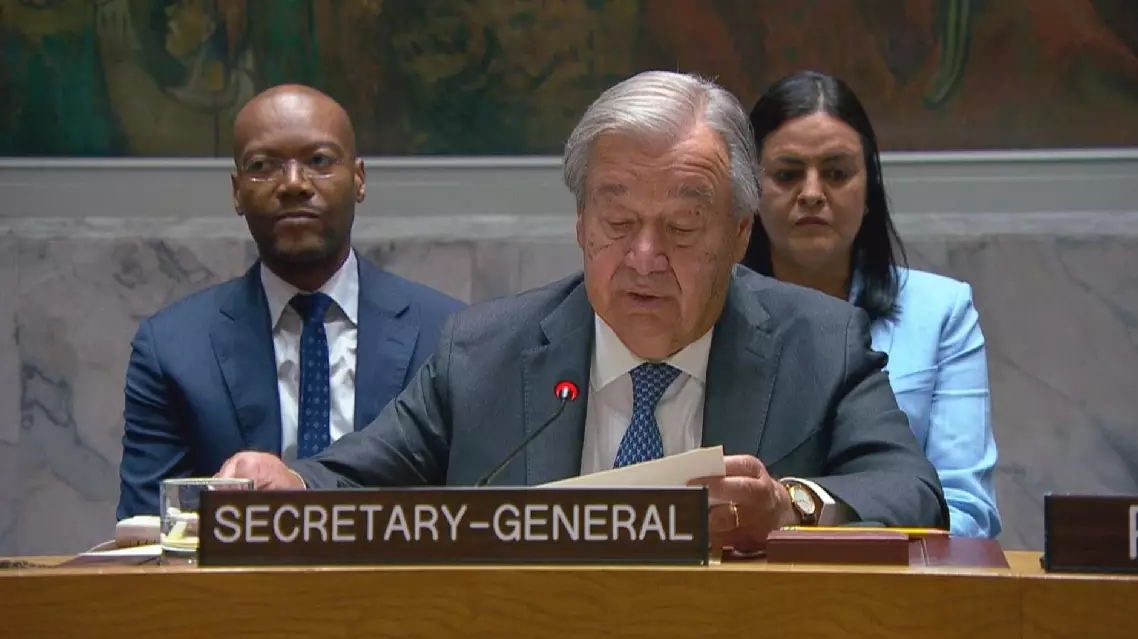
UN chief calls for ending vicious cycle of conflict, food insecurity across globe
Israeli forces must halt its attempts to expel and forcibly displace Palestinians from West Bank, as the move is against international law and rises concerns of ethnic cleansing and crime against humanity, UN Human Rights Spokesperson Thameen Al-Kheetan said on Friday.
The remarks were made based on a UN Human Rights Office report published on the same day. Titled “Destruction of Palestinian refugee camps in northern West Bank”, the report specified serious human right violations committed by Israeli forces during its “Operation Iron Wall”, which forcibly displaced the entire Palestinian populations of three refugee camps in the occupied West Bank in January and February 2025 and has continued to prevent them from returning home.
“Israeli authorities are still preventing the return of the entire Palestinian populations of three refugee camps in the occupied West Bank, whom they forcibly displaced in January and February 2025, according to a new UN Human Rights report. Israeli forces went door to door forcing residents to leave the Jenin, Nur Shams, and Tulkarm refugee camps. They killed civilians, destroyed hundreds of homes, damaged roads and other infrastructure, and cut off water and electricity. Some of the Palestinians displaced told us that Israeli officers informed them there would be no more refugee camps, and that they should ‘all go to Jordan,'” Al-Kheetan, spokesman for the Office of the United Nations High Commissioner for Human Rights (OHCHR) said in a video statement.
Israel’s unlawful presence in the Occupied Palestinian Territory and its human rights violations have been catastrophic, the report noted. The OHCHR has called for urgent action by relevant authorities and the international community to end the unlawful Israeli practices and to ensure accountability.
“The large-scale, long-term and systematic displacement of over 33,000 Palestinians from these camps raises serious concerns of the crime against humanity of forcible transfer. Forcing the displacement of their residents and preventing their return appear to amount to collective punishment and raise concerns of ethnic cleansing. Israel must end its occupation of Palestinian territory and halt any efforts to forcibly displace more Palestinians and to further break the contiguity of a future Palestinian state,” Al-Kheetan said.
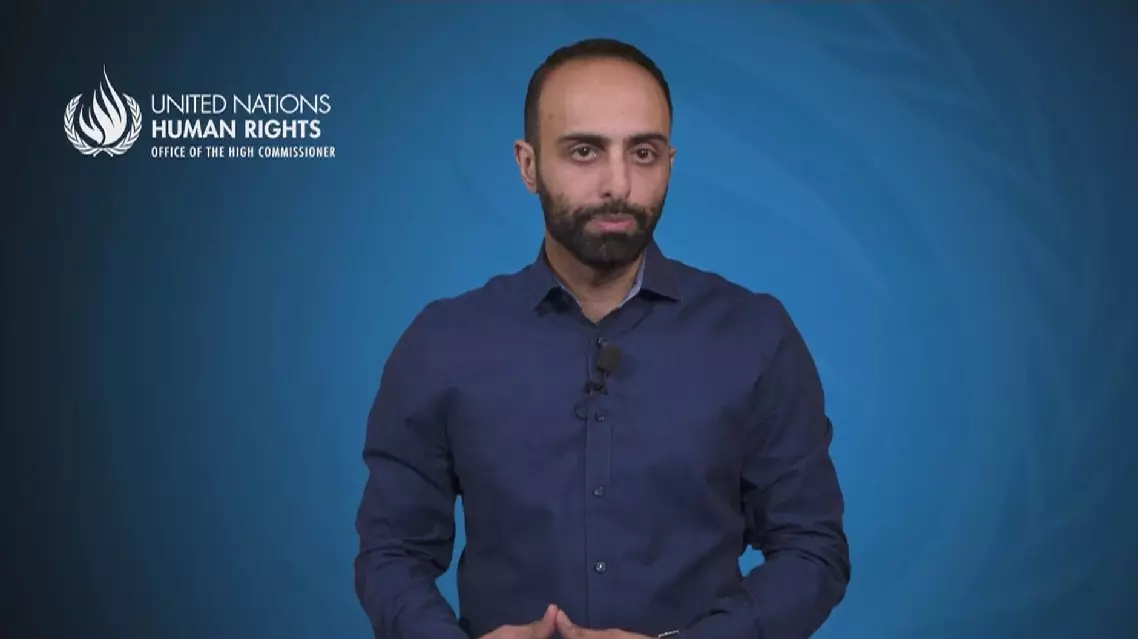
UN human rights office condemns Israel’s forcible displacement of Palestinians in West Bank