
President Donald Trump signed an executive order on Friday waiving new sanctions and tariffs on Russia required under the law named after the late Sen. Lindsey Graham, just two days before they were set to take effect.
It’s the second time in as many weeks that Trump has waived sanctions on Russia as he turns to Russian President Vladimir Putin to help relieve rising diesel prices. The moves have also heightened tensions between Trump and Ukrainian President Volodymyr Zelenskyy.
Trump signed the bill into law last month after it was passed by large margins in Congress. Graham, who died suddenly in July, lobbied heavily for the law's passage, which was largely aimed at targeting Russian political officials and oligarchs, as well as banks, financial institutions and the country's so-called shadow fleet of tankers used to evade sanctions.
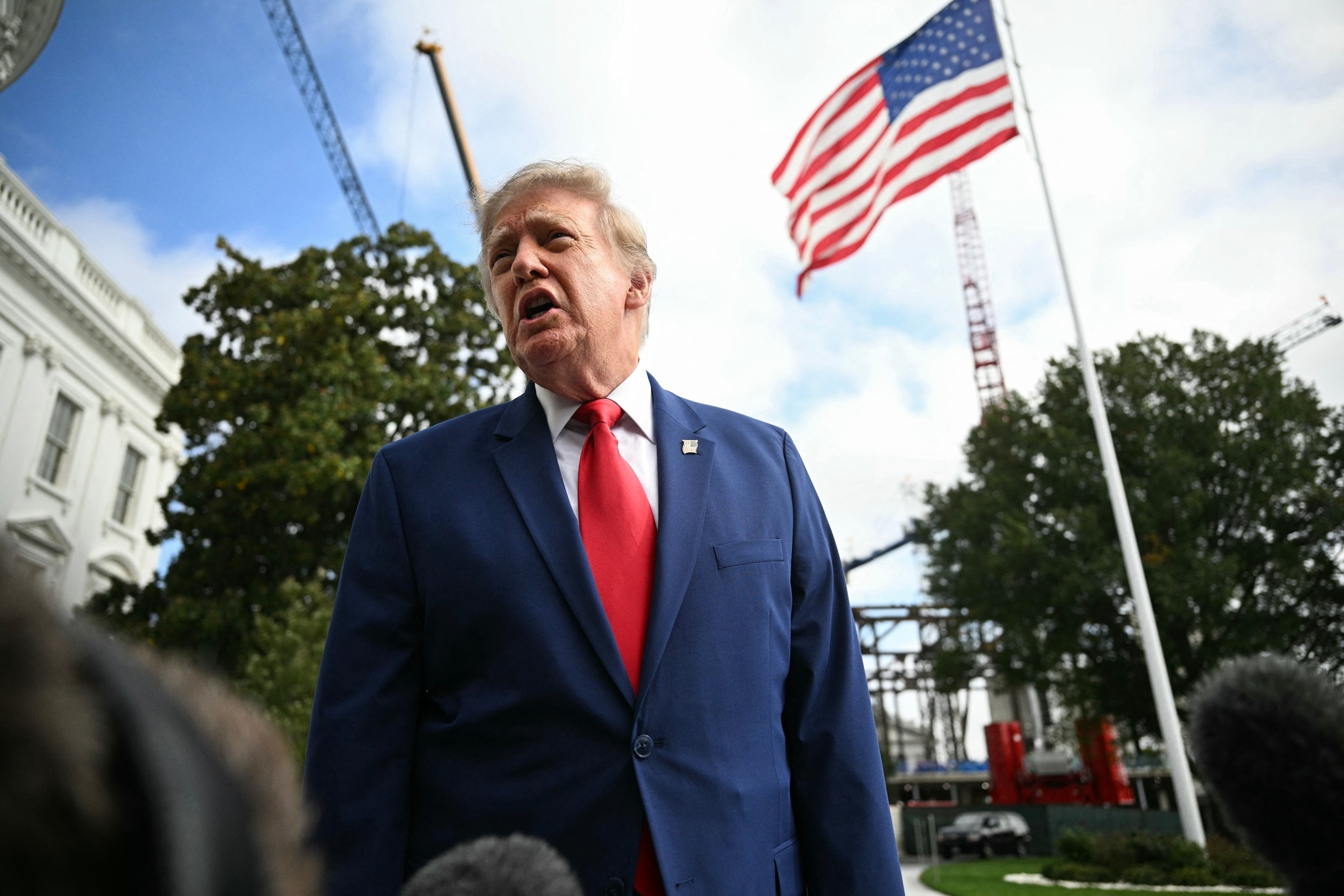
President Donald Trump speaks to members of the press before boarding Marine One on the South Lawn of the White House in Washington, October 16, 2026.
Jim Watson/AFP via Getty Images
The law allows for the president to waive Russian sanctions and he did so before a host of new sanctions and penalties were set to take effect on Oct 18. Trump told Congress that the waivers issued Friday were in the national interest, according to the order, which did not provide additional details.
The order now waives every operative section of the law pertaining to Russia, including a requirement to impose tariffs of up to 500% on all Russian goods, such as oil and gas, and the requirement to impose tariffs of up to 100% on the top five buyers of Russian crude oil and natural gas that keep purchasing it, as well as the top five countries helping Russia evade oil sanctions.
Additionally, Trump waived requirements to impose sanctions on foreign banks that do significant business with Russian state-owned banks and financial messaging services used to evade sanctions; bans on the purchases of Russian sovereign debt, U.S. investment in Russia, and U.S. banks and brokers processing transfers to the Russian government or for the benefit of Russian officials are waived, as well.
Last week, the Treasury Department’s Office of Foreign Assets Control issued a general license through April authorizing the sale, delivery and import of Russian diesel into the U.S. as part of a deal in which Russia would supply hundreds of thousands of tons of diesel to the U.S. and global markets. Without the waiver, the law would have required tariffs on Russian petroleum products, such as diesel, and sanctions on ships found to be carrying them.
Several senators, including Republicans Mitch McConnell of Kentucky, Thom Tillis of North Carolina, Susan Collins of Maine and John Cornyn of Texas, urged Trump on Tuesday to rescind the diesel deal and implement the sanctions.
Friday’s order does not affect existing sanctions imposed previously by executive order. But critically, the order waives a provision in the statute that mandated those sanctions stay in place, clearing the way for the president to take unilateral action on them as well.
The waivers issued Friday will remain in place until the president or secretary of state, in consultation with the relevant cabinet secretaries, determines further action is warranted, according to the order.
Currently, the law's Russia provisions are slated to expire in 2031.
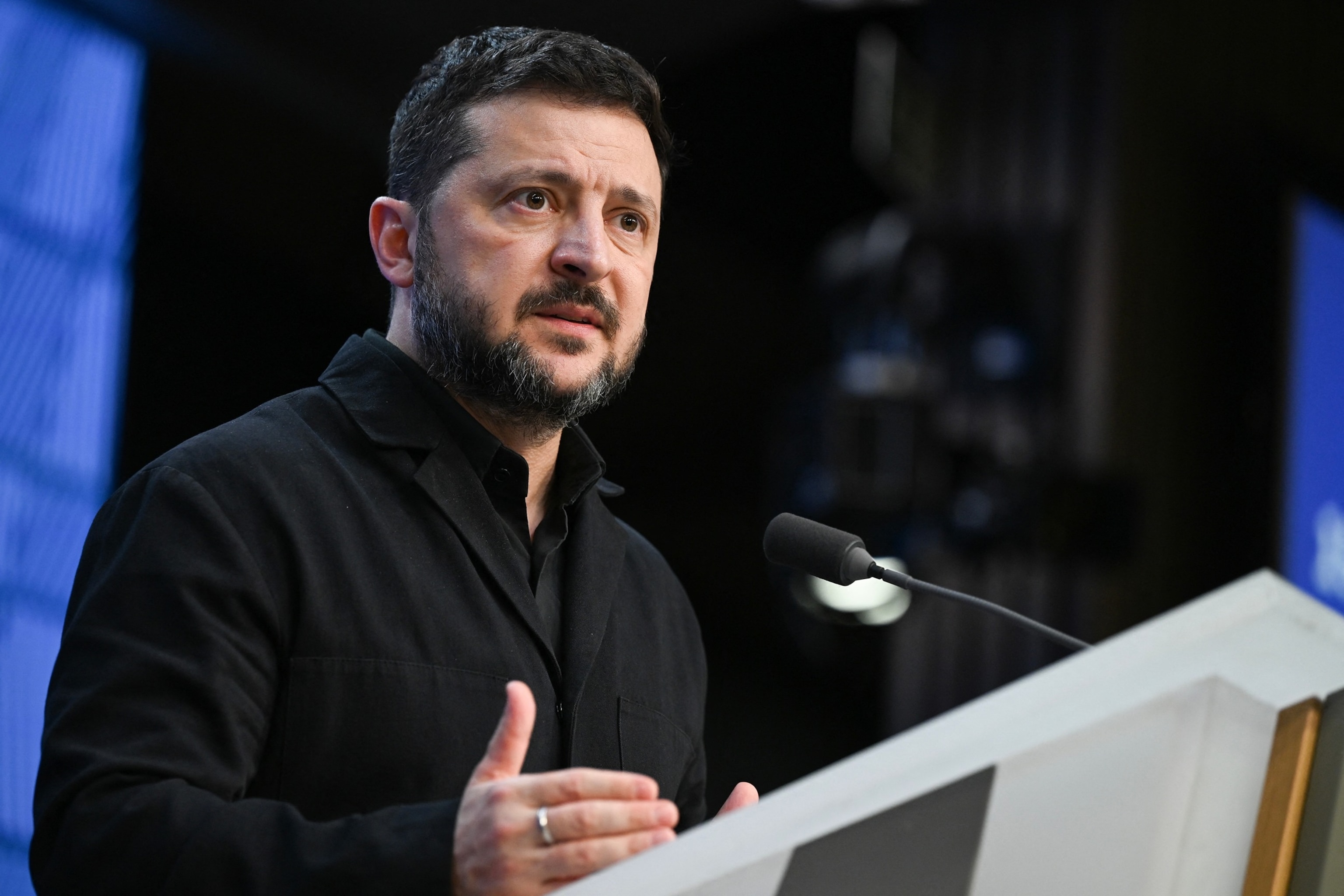
Ukraine’s President Volodymyr Zelensky speaks during a press conference as part of a European Union summit at the EU headquarters in Brussels on Oct. 16, 2026.
Nicolas Tucat/AFP via Getty Images
Trump also waived the section of the law that allowed the sanctions to be terminated if Russia signed a peace agreement accepted by Ukraine and ceased hostilities, while Congress remained empowered to block a potential termination.
“President Trump has been clear that he wants to see this brutal war come to an end,” White House spokesperson Taylor Rogers said in a statement Saturday. “As talks continue, this Act provides the President with additional authorities to pursue a peaceful resolution. Enforcing the sanctions provisions now would impede ongoing U.S. efforts to negotiate a durable and comprehensive peace agreement between Ukraine and Russia. The President retains the ability to exercise these authorities at any time if he determines that doing so would advance national interests.”
The decision drew criticism from Democrats and mixed reactions from Republican lawmakers.
“Trump just gave Putin the best birthday gift he'll get this year,” Sen. Chuck Schumer, D-N.Y., said. “By giving the Russian economy life support Trump's deal with the devil keeps getting dirtier.”
Cornyn said Graham “would be appalled” at the move and shared a National Review article calling for Congress to investigate the decision.
“Beyond irresponsible,” Tillis said. “What part of enforcing a law passed 86-11 by the Senate does the President and his advisors not understand? It's unconscionable that this administration is capitulating to a Russian dictator who illegally invaded Ukraine and butchers innocent civilians every single day.”
“I was one of only 7 republicans to vote against the short-sighted [Lindsey] Graham sanctions bill,” Rep. Thomas Massie, R-Ky., said. “Glad to see Trump has used the executive authority granted to him by Congress to waive almost all of the provisions of this stupid law that pertain to Russia.”
Zelenskyy, meanwhile, criticized the move, saying it encourages Putin to keep fighting and killing Ukrainians.
“I want to thank both Democrats and Republicans who supported his bill,” Zelenskyy said in a post on X. “That was a major victory: this truly bipartisan support. And now, the decision to undo all of this, to block all of it, seems wrong to me. And it definitely helps only the Russians. It only fuels their satisfaction and their desire to keep killing people. This certainly does not stop the war.”
He added that he had great respect for Graham and thanked him, posting a photo of himself with the late senator.