
Burnham recognises rising energy bills are ‘difficult for people’
Andy Burnham has said rising energy bills are “difficult†for people after Ofgem raised its price cap by 4% to a three-year high and analysts forecast a further 9% hike from January.
Speaking to reporters from a supermarket in London, the prime minister said:
double quotation mark It's difficult for people and I recognise that.But it's why, within days of taking office, I announced that we would remove VAT off electricity bills to give people that little bit of help.
That kicks in from October.
We know the price cap will have an impact, but it is what we can do right now.
We'll continue to look as we go forward at how we get energy prices down in the long term, and that's what we need to do too.
Key events
Jess Ralston, head of energy at the Energy and Climate Intelligence Unit, said more investment in renewables is needed to lower Britain's reliance on the international gas market, to keep household energy bills lower.
Industry experts are clear that gas price increases due to the US-Iran war are driving up bills in October, with wholesale gas prices recently reaching a three-year high and further bill rises expected in January.
While large UK wind farms drove wholesale electricity prices down by around a third last year, by squeezing gas off the grid, investment in more net zero technologies like solar panels and heat pumps will be needed to further reduce exposure to the international gas market.
With the North Sea running out of gas, irrespective of any new drilling, a slowdown in deploying these technologies, or a return to gas will leave the UK even more dependent on the sttrait of Hormuz and the US which under Trump has been a much less reliable trade partner.
Burnham recognises rising energy bills are ‘difficult for people’
Andy Burnham has said rising energy bills are “difficult†for people after Ofgem raised its price cap by 4% to a three-year high and analysts forecast a further 9% hike from January.
Speaking to reporters from a supermarket in London, the prime minister said:
double quotation mark It's difficult for people and I recognise that.But it's why, within days of taking office, I announced that we would remove VAT off electricity bills to give people that little bit of help.
That kicks in from October.
We know the price cap will have an impact, but it is what we can do right now.
We'll continue to look as we go forward at how we get energy prices down in the long term, and that's what we need to do too.
Brent crude drops 3% on hopes strait of Hormuz could reopen soon
While Britons' energy household bills are to rise by almost 4% to an average £1,723 a year from October, market prices are falling.
Crude oil, as measured by the global benchmark Brent is down 3%, or $2.66, to $85.92 a barrel, the third day oil prices have fallen. Traders shrugged off the threat of heavy US sanctions, with US Treasury secretary Scott Bessent warning of an “economic D-day†for Iran on Monday – but sanctions have not been imposed yet.
There are hopes that the strait of Hormuz could reopen soon after the number of ships transiting dwindled to just two vessels on Monday and five on Tuesday. Iran said it had reopened talks with Oman about how to manage shipping through the waterway.
Trading volumes also tend to be thinner in August when many people are on holiday, so any moves in the oil market have a larger impact on prices.
AJ Bell investment director Russ Mould said:
double quotation mark Markets have adopted a similar pattern over the last six months as investors have responded to the latest mood music from the Middle East.Discussions between Iran and Oman over the establishment of a temporary corridor through the Strait of Hormuz, US sanctions on Tehran which were less strict than expected, and hints at continuing diplomatic efforts have helped bring Brent crude oil down to [below] $86 per barrel.
This has helped take the edge off market fears about inflation and brought government bond yields down. The improving picture helped fuel a recovery in Asian stocks and saw a steady open in Europe, with the FTSE 100 back within sight of the all-time highs achieved at the end of last month.
The UK's FTSE 100 index was flat at 10,882 after rising to 10,896.42 earlier in the session. Germany's Dax was also flat while the French, Italian and Spanish markets eked out small gains between 0.2% and 0.45%.
Labour's energy bills crisis is getting worse. Political honesty is essential
Another Ofgem energy price cap day, another increase in bills. Miatta Fahnbulleh, the new energy secretary, can blame the usual culprit on Wednesday – the fossil fuel price “rollercoasterâ€, given a shove this time by Donald Trump's Middle East misadventure. Higher gas prices will indeed be the main quarter-on-quarter reason why bills stand at a three-year high on a unit basis, writes our financial editor Nils Pratley.
But there is more to the tale on a longer view. Even when the gas rollercoaster dips downwards, the energy industry's medium-term projections suggest bills will not fall meaningfully.
Look at the forecast on Tuesday from EDF, one of the big retail suppliers, assuming “some moderation†in wholesale prices. Top line: “Bills still look stubbornly high at the end of the decade.†Versus its assumed £1,721 for the price cap for the last three months of 2026, the company projects £1,786 in 2030.

Caroline Davies
The government knows “people are under huge amounts of pressure†with the cost of living energy bills, according to the UK's energy secretary, Miatta Fahnbulleh.
Speaking on BBC radio 4's Today programme, she said:
double quotation mark And we are absolutely alongside them. And are trying to do everything that we can. That is why the prime minister on Day One of the job put that cut to VAT on electricity bills which will come into effect this October.But it is also why we are taking a set of measures to try and help the cost of living – the £2 cap on buses, free school meals that are being rolled out, free breakfast clubs, £8000 savings on child care costs. We are doing a set of things to help people get some breathing space.
If I think about energy in particular , for me it exposes one of the things that we've been talking about . One of the problems that we've got is that we're very exposed to global fossil fuel markets that we have no control over , where, if you have a conflict in the middle East it bites families finances, that's why we are determined to fix that.
That's why we're driving towards clean energy in order to make sure we've got homegrown clean energy here that can have an impact on bills, but critically we're also trying to make that we're drawing reforms across the system to make energy more affordable.
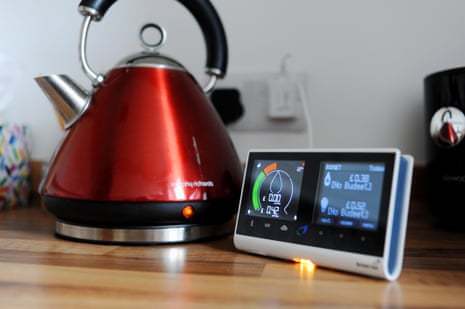
Asked if green levies and Net Zero were costing people more, she said:
double quotation mark Well, absolutely not.If we think about the last five years, families have felt a pinch of energy at two points. The war in Ukraine and now the war in Middle East.
She added “we are uniquely exposed to those gas markets. And that is why we've got to make the drive to have homegrown, clean, renewable energiesâ€.
Under the last government, she said:
double quotation mark we didn't invest in our energy system, we didn't invest in the grid and we're going to have to deal with that so for the grid to operate properly we've got to upgrade it.
Energy is “absolutely essential to day-to-day life and so we need to make it more affordable.â€
She agreed standing charges are “ a massive bug bearâ€.
double quotation mark The challenge that we have is that those costs pay for things like upgrading and investing in our infrastructure. And so we've got to recover them in some way. Ofgem looking at this, we're working with them to think about the most effective and the fairest way in which we recover that so that we are protecting consumers.
She would not be drawn on the TUC call for windfall tax on bank to cut bills, saying tax was matter for the chancellor, John Healey.
double quotation mark What I would say is we are already taxing the energy system. We've got a set a taxes that ensures that where, for example, excess profits are being made in the system. That that is being taxed.But there is a fundamental issue that we have, which is if we want to fundamentally drive down bills, we've got to do the job of getting to clean home-grown energy and we are racing towards that. A hundred billion pounds of investment has been unlocked. That's enough to power 23 million homes. But also, we have got to do the jobs of making sure that the energy system is fair for consumers and I am committed to running up both those things.
We talk about public control and I think look the way that I would explain it is that we've got this strange system at the moment where we've got a mixture of things that the government is doing to intervene in the energy market to make it work to regulate the energy market and we also have private actors. I don't think that together that system is working for consumers. And if you speak to people across the country
So we've got to think about look how do we ensure that we are getting different parts of the system to work in a way that is supporting consumers.
We're looking at every part of the energy system, networks, the wholesale, to ask ourselves the question what can we do to make sure that the energy system is serving and working in the interest of consumers.
“Yet another painful rise in the price cap shows that our energy bills are still at the mercy of global fossil fuel markets,†said Friends of the Earth energy campaigner, Danny Gross.
double quotation mark The prime minister's VAT cut on electricity has been outweighed by soaring oil and gas prices due to the US and Israel's disastrous war on Iran.To take back control of our energy bills, we need to kick our dependence on expensive oil and gas. That means continuing to ramp up cheap, home-grown renewable energy and insulating our homes to keep them cooler in summer and warmer in winter.
But people need help now too, particularly as this will hit those already struggling with the cost of living the hardest this winter. The government should cut energy bills straight away by moving the remaining electricity bill levies onto general taxation and introducing a social tariff for people living on the lowest incomes.
Alex Chapman, head of economic and environmental policy, at the New Economics Foundation, another think tank, said continued reliance on fossil fuels is the cause behind the energy price rollercoaster – and the answer is moving to reliable renewable energy like wind and solar power.
double quotation mark Today's price cap announcement will be frightening news for families up and down the country, many of who are already struggling to afford the essentials. Getting people's energy bills down as we go into winter must be a top priority for this government. At the next budget they should implement a National Energy Guarantee – which would provide every household with a cheap portion of essential energy.But we also need to be clear about the causes of this energy price roller-coaster: our continued reliance on fossil fuels. To achieve greater stability over prices, we need to transition to a system that uses reliable renewable energy – like wind and solar. Crucially, more drilling in the North Sea isn't a viable solution to rising prices, as we'd still be dependent on the international fossil fuel energy market.
Andy Mayer, energy analyst at the Institute of Economic Affairs, a free-market think tank, believes more nuclear energy is the answer, rather than renewables.
double quotation mark Today's rise in the energy price cap is another blow for households already struggling with high energy costs.Britain's Net Zero energy system is embedding high costs while the government blocks investment in our own resources. Renewables require expensive back-up, balancing and connections, yet Britain has been far too slow to develop new nuclear power.
Tinkering with who pays may provide short-term relief, but it won't bring costs down. That requires a pause and reset of the current approach.
Age UK calls on government to raise warm home discount to £200
The charity Age UK is calling on the government to raise the warm home discount to £200 this winter and other measures to help older people.
Caroline Abrahams, charity director at Age UK said:
double quotation mark Today's news will ring alarm bells for those older people who have repeatedly faced tough choices during the last few years of energy price hikes, and who now have nothing left to cut back on.With energy prices set to rise yet again the government needs to take decisive action to protect the older people in greatest need. We are calling on ministers to raise the Warm Home Discount to £200 for this winter, as well as opening up an application route for people of all ages on low incomes to seek this support via their energy supplier.
The government should also top up the Crisis and Resilience Fund so local councils can respond quickly to households who find themselves in financial difficulty in their communities.

She said the warm home discount is a good scheme, but worth only around half of what it was ten years ago. Some older people miss out on it because they're not claiming an eligible benefit, or because they fall just outside the criteria.
She said it should be extended to reach more households on low incomes, not only those claiming benefits, and also more priority to people with additional health needs.
double quotation mark No older person should have to face another winter fretting over whether they can afford to stay warm – but we know that in light of today's news many now will. The government must act quickly to put their fears to rest.
Government looking at ‘fundamental reforms’ to lower energy bills
Miatta Fahnbulleh, the energy sectary, said the government will explore “what more we can do†to help those struggling with high bills, via “fundamental reforms†including investment in renewable energy.
double quotation mark Families will be understandably concerned about the cost of energy bills this winter, which is being driven up by the Iran war.Energy is an everyday essential and it needs to be affordable for everyone, which is why we have cut VAT on electricity bills from October, to give families some breathing space.
This has limited the rise in the price cap and follows the £150 in costs we removed from bills earlier this year, and we will keep looking at what more we can do to protect families from unaffordable bills.
The government is looking at “fundamental reforms†to drive down energy bills for good, the energy secretary said.

Speaking to Sky News, Fahnbulleh said:
double quotation mark If you look at energy bills, if you look at how much of a family's finances it is taking up, it is far too expensive.So, whether that is short-term support that we're providing to provide a bit of breathing space, which is what the government has done and will continue looking at that, or more fundamental reforms that we need to make to the energy market to drive down bills for good, we are absolutely determined to do that.
She argued renewable energy investment is “absolutely critical†to breaking the link between high gas costs and bills.
Fahbulleh also said she was “frustrated†global events had increased bills in the UK but would not be drawn on criticising Donald Trump for starting the war in Iran.
Neil Kenward, Ofgem's director general for markets, has defended the latest increase in the energy price cap, saying “it does protect consumers from higher energy pricesâ€.
Speaking on BBC radio 4's Today programme, he said energy suppliers only make a “small profit margin†of just over 2.5%, and
double quotation mark actually most years energy suppliers have not been making that level of profit because there's other pressures that they face. That profit is essential for companies to be in the market, operate and to invest in the products and services we need.It's worth saying that there's some of the highest consumer satisfaction we've ever seen in the sector this year at over 80%.
Pressed on whether the latest 3.6% increase in energy bills is “fair,†he said:
double quotation mark Yeah, we have some complicated calculations to try and figure out exactly what the cost of supplying electricity and gas to our homes is and that's what drives the price cap.
TUC renews call for windfall tax on bank profits to pay for social tariff
The TUC has renewed its call for a windfall tax on bank profits, to pay for a cut to the majority of UK households' energy bills, with many people cutting back on energy use, skipping meals or dipping into savings.
The call comes as new polling – conducted by YouGov for the TUC – shows that in the three months to late June more than a third (35%) of adults had cut back on hot water usage for baths and showers at least several times a month to reduce their spending– and 15% say they do this on most days.
And to reduce their spending, more than a third (37%) regularly did not use electrical appliances as often as needed, with 15% doing this every day or most days.
Between March and June, almost a quarter (23%) skipped a meal to save money, and two in five (40%) avoided putting their heating on at least several times a month. Many people said they were going into debt or dipping into savings to get by.
The TUC is calling for an increase in the tax on profits of banks to pay for a social tariff and cut bills for the majority of households by up to £559 a year.
Currently the bank surcharge is an additional 3% corporation tax on the profits of banking companies above £100m, which was reduced from 8% in April 2023 by the Conservatives – just as bumper profits kicked in alongside higher interest rates, the TUC said.
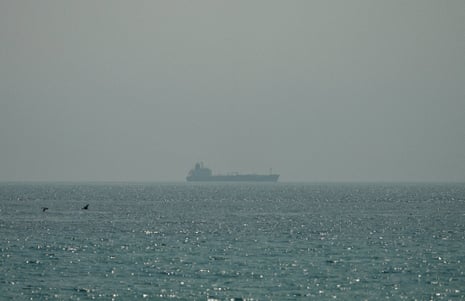
TUC general secretary Paul Nowak said:
double quotation mark This bill rise will be another hammer blow for those struggling to get by.Households up and down the country are already up against it. Too many are skipping meals, dipping into savings and having to cut back on life's essentials.
The government is going to have to keep going on measures to boost living standards – starting with a tax on banks' enormous profits to cut energy bills for the majority of households.
It's the right thing to do. Banks are raking it in while many up and down the country are struggling to get by – they can well afford to pay more tax.
Cornwall Insight forecasts another 9% rise in energy bills in January
There is no relief in sight for January, with bills forecast to rise a further 9% in the new year, according to analysts at Cornwall Insight.
This would raise a typical household bill to £1,872 a year, £149 higher than the £1,723 October price cap announced today, under Ofgem's revised definition of average consumption, which took effect in July.
The January figure will not be confirmed until November, and there remains a lot of time for wholesale market conditions to shift.
Wholesale energy prices currently make up over 40% of the cap, and mixed signals over the next stages of the US-Iran conflict have seen gas prices spike over recent weeks, Cornwall Insight said.
This combined with a summer heatwave across Europe, supply disruption in Norway and strong demand from Asia have led to low winter gas stock levels – particularly in continental Europe. Even if the conflict were to end tomorrow, colder weather, displaced global supply and low stock means January's prices are likely to stay higher for the short to medium-term.
Rising bills in the first three months of winter, with forecasts of a further increase in January will pile pressure on the government to lay out how it plans to support vulnerable households, both through this winter and further ahead.
Support could look like a one-off targeted payment, or something more permanent such as a social tariff, a social discount, or a form of national energy guarantee offering everyone a set amount of essential energy at a reduced rate. This could be announced in the autumn budget.
Experts at MoneySuperMarket Energy are urging people to fix their energy prices.
They argue that while the temporary VAT cut will save households money on their bills, wholesale energy prices themselves are still turbulent including oil. Industry analysts predict the price cap will climb again by as much as 10% in January 2027, as higher wholesale costs linked to global developments are passed on to consumers.
Experts are encouraging households to look at their options sooner rather than later, as the difference between fixed deals and the current price cap has narrowed.
As of the beginning of the week, the cheapest tariffs were around 3% below the price cap, compared with 14% at the start of July.
Households can still save up to £173 a year on their energy bill by switching today, before the price cap takes effect, with MoneySuperMarket announcing three new fixed deals all beating the current price cap, including the cheapest 12 and 18-month fixed tariffs on the market.
Launched this week, the Fuse Energy August 2026 Fixed (18m) V10 is currently the cheapest fixed tariff on the market, with an average cost of £1,550 a year, £173 less than the October price cap. There are also two EON deals.
Laura Hinton from MoneySuperMarket Energy said:
double quotation mark There are still fixed deals available that can help households get ahead of rising energy costs. While the government's temporary VAT cut will provide some relief, it's worth remembering it applies to fixed tariffs too. For households concerned about what their bills might look like this winter, fixing now could provide certainty, protection from future price cap increases and potentially significant savings.
And Sebrina McCullough, director of external relations at free debt advice organisation Money Wellness, which helps 1,000 people a day, also called for targeted support for the most vulnerable, such as an energy social tariff.
double quotation mark This 3.6% rise might sound modest, but it will add around £60 to the typical household energy bill – effectively wiping out much of the saving from the VAT cut. For millions of households already under pressure, that extra £60 could be the difference between keeping up with their bills and falling behind.And with further rises potentially on the cards, we need targeted support for those who are most vulnerable. An energy social tariff, similar to the support available for water bills, could help protect households who simply can't afford another increase.
Matthew Cole, chief executive of Fuel Bank Foundation, a fuel poverty charity, warned that if war in the Middle East carries on, it is likely that there will be another rise in UK energy bills in January.
He called on Andy Burnham's government to provide “targeted support†to those who need it.
double quotation mark While the price cap is increasing, it's not increasing by as much as it would've done thanks to the government's decision to remove VAT from bills for six months starting in October. However, the price cap also increased in July, so the compounded effect of back-to-back price cap increases will become very apparent, especially considering energy consumption drops over Summer, so most households wouldn't have felt the immediate impact of the July increase.Worse still, if geopolitical circumstances, particularly those in the Middle East, carry on as they have been this year, then the likelihood is that there will be another price cap increase from January, meaning there will have been three increases on the bounce.
Additionally, there's an important group of households that aren't protected by the price cap, and that's people on heating oil. Prices for heating oil have increased by about 50% over the last half a year, and this is resulting in people filling up their tanks less than they normally would. As we head towards the colder months, it is absolutely crucial that households on heating oil are well stocked to avoid any potential issues during winter, especially as many of these households are in very rural locations and can be difficult to reach in bad weather.
This will all be a huge cause of concern for many people, and it is for us too. Those most in need will need targeted support to cut energy costs, and this should be a top priority for the government as we head towards the colder months, even if they do seem a way off right now.
The 4% rise in the energy price cap is as expected.
Neil Kenward, Ofgem's director general for markets, said:
double quotation mark High international gas prices are continuing to drive energy costs in the UK. We welcome the government's intervention to remove VAT from electricity bills, without which customers would have faced even higher costs this winter.Savings are available by choosing a fixed tariff, which are available at £100 or more below the October price cap, and many suppliers offer tariffs with cheaper electricity to smart meter customers for electricity consumed out of peak times. It's also worth considering different payment methods, with prepayment customers paying the lowest price cap rates, and could save consumers an average of about £45 compared to direct debit.
Ofgem explained its decision:
double quotation mark This increase reflects higher wholesale gas prices as a result of the ongoing conflict in the Middle East, with volatile global gas markets remaining the dominant driver of price changes.However, prices remain 52% below the height of the energy crisis in 2022 when the government stepped in to cap bills at £2,500.
The regulator said 35% (around 11 million households) on a fixed tariff are unaffected by this increase.
The UK government's decision to remove VAT from all domestic electricity bills is reflected in the latest energy price cap, it added.
double quotation mark While higher wholesale prices are pushing up both gas and electricity costs, the VAT reduction means electricity bills will remain broadly stable. As a result, most of the increase in the price cap is driven by higher gas costs, with gas bills rising by 8%, meaning that households which do not use gas will see a much smaller increase of less than 1%.Without the government's intervention on VAT, this figure would have been around £45 higher. The VAT removal also benefits customers currently on fixed tariffs, with the discount automatically applied by suppliers.
Introduction: British households face 4% rise in energy bills to average of £1,723 from October
Good morning, and welcome to our rolling coverage of the global economy, the financial markets, the eurozone and business.
Households in Great Britain face a jump in energy bills to the highest in three years this winter, after soaring market prices triggered by the Iran war fed through to the government's energy price cap.
Gas and electricity prices will rise by 4% from October under the new energy price cap set by the regulator Ofgem, months after climbing by 13% at the start of July. (Technically a 3.6% increase but Ofgem rounded it up.)
This means the the average annual energy bill will rise by £60 a year, or £5 a month, to £1,723.
Earlier this year, energy regulator Ofgem updated its estimate for typical domestic energy consumption, recognising that customers were using less electricity and gas due to the increase in prices.
That change meant that a typical annual bill under the price cap set from July-September was £1,663.
Wholesale energy prices have been on a rollercoaster during six months of war started by US-Israeli attacks on Iran in late February. Brent crude oil cost $72.80 a barrel before the war and is now at around $90 a barrel.
Miatta Fahnbulleh, the energy secretary, said on Tuesday that she understands why people are “worried and frustrated about energy bills†and that the government is “doing everything we can to make them more affordableâ€. Responding to public questions on the Reddit social media platform, she said:
double quotation mark As a start, we removed VAT from electricity bills to give everyone some breathing space. This is on top of the £150 we removed from energy bills in the budget in April.
There have been fresh calls on the government to help vulnerable households, and to fund extra measures by taxing the windfall profits made by energy companies and banks. Paul Nowak, the TUC general secretary, said “too many are skipping meals, dipping into savings and having to cut back on life's essentialsâ€.
Thomas Pugh, chief economist at the tax and consulting firm RSM UK said:
double quotation mark Higher wholesale gas prices will more than offset the impact of Andy Burnham's move to remove VAT from electricity bills.That said, this will have relatively little impact on headline inflation. Ofgem's price cap is based on typical use for dual-fuel households, but some households will only use electricity, where prices will probably fall, and in turn electricity has a much bigger weight within the consumer prices basket basket.
In any case, we still expect inflation to continue to rise over the coming months from 2.9% to a peak of 3.4% in November as food inflation rebounds due to higher fertiliser prices and any impact of El Niño while surveys point to a pickup in core goods inflation in the coming months.
Further ahead, the risks to utility bills lie to the upside. European natural gas storage is at its ten-year minimum which could prompt prices to surge in the coming months as countries scramble to ensure they have enough gas for the winter. That would push household bills much higher in January, keeping inflation sticky in 2027.
Asian stocks rose again while oil prices and government bond yields fell on hopes that the strait of Hormuz could reopen soon, with markets braced for results from the US AI company Nvidia.
Iran said it has restarted talks with Oman to manage the key waterway. Five ships transited the strait on Tuesday, well below-the 10-day average, according to shipping data.
Brent crude is down for a third day, trading 1.7% lower at $87.07 a barrel.
Japan's Nikkei and Hong Kong's Hang Seng both rose about 0.7% while South Korea's Kospi jumped 1.3%.
The Agenda
-
10.30am BST: Germany 15-year Bund auction
-
11am BST: UK CBI retail sales survey for August
-
Noon BST: US MBA mortgage applications for week to 21 August
-
1.30pm BST: US Durable goods orders for July
-
1.30pm BST: US Core personal consumption expenditures index for July (inflation gauge)