4 min readJammuUpdated: Aug 23, 2026 03:42 AM IST
The Chandigarh Bench of the Armed Forces Tribunal (AFT) has upheld the Indian Army's decision awarding “severe displeasure†to Brigadier P Acharya in connection with the 2023 killing of three civilians during alleged custodial torture by Rashtriya Rifles troops he was commanding in Jammu and Kashmir's Topa Pir area in the border district of Poonch. The Bench asserted that “emotions cannot override military discipline and the legal obligation to treat the civilians humanely†for troops involved in follow-up operations after having lost their brothers-in-arms.
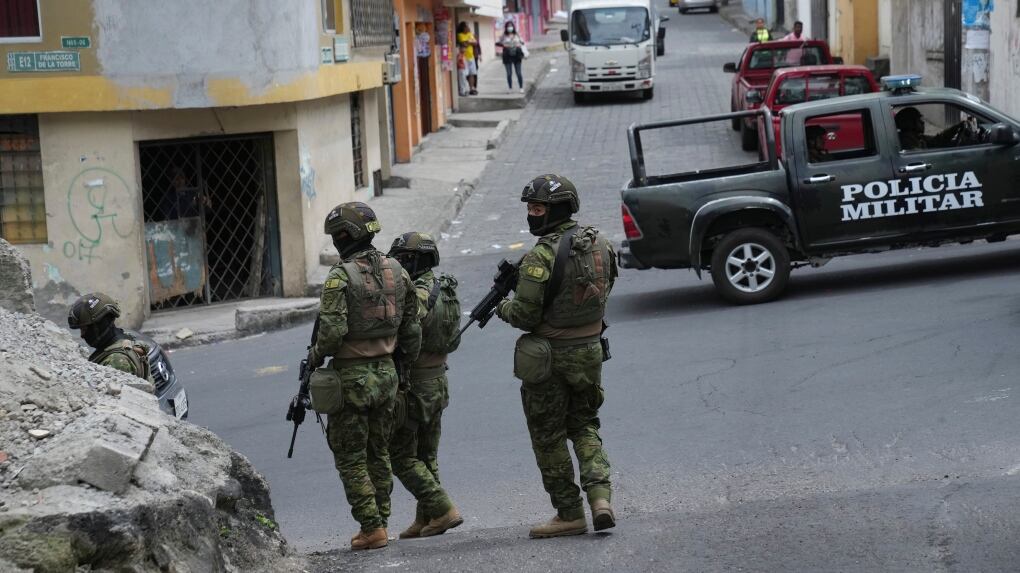
The three civilians were picked up for questioning by the troops of the 48 Rashtriya Rifles (RR) in the wake of an ambush by terrorists on the Dehra Ki Gali-Buffliaz road on December 21, 2023, which left four soldiers dead and three injured. Several men from Topa Pir were picked up a day later, and three of them were eventually found dead with injuries indicating torture.

Refusing to interfere with Army's decision in the absence of any illegality or procedural violation in action taken against Brigadier Acharaya, who was the commanding officer of Sector 13 RR under which the 48 RR operated, the AFT Bench comprising Justice Sudhir Mittal and Lt Gen Rambir Singh, in its order dated August 20, observed that the circumstances following the ambush, including the deaths and beheading of two Army personnel, could understandably have generated intense emotions among troops.
“In a situation as in this case, troops involved in follow-up operations faced a dilemma. Having lost their brothers-in-arms, and that too in a brutal manner, made their blood boil and development of emotions of revenge is quite natural,†it noted. “On the other hand is discipline, instilled by rigorous training, commanding them to exercise restraint and scrupulously follow plans to trace the culprits. Even in war, the Indian soldier is known for his discipline and adherence to the Geneva Convention.â€
Pointing out that such emotions could not override military discipline and the legal obligation to treat civilians humanely, it held, “In the conflict between human emotions and requirements of discipline, which is in large measure based on the law declared by the Supreme Court, human emotions must yield.â€
The Indian Express had reported about the death of the three civilians and hospitalisation of nearly a dozen others with torture marks all over their bodies at hospitals in Rajouri and Surankote.
The incident had sparked anger among local residents of the area, prompting demands for accountability.
Story continues below this ad
The same month, Defence Minister Rajnath Singh had visited Rajouri and met the family members of the deceased civilians and assured them of justice in the matter. “Nobody can bring those who have died back to life. But there will be justice,†Singh had told them.
Addressing the troops at Rajour Div, he had said, “The Indian Army is not an ordinary army. The soldiers are our protectors. It is their duty to not only safeguard national interests, but also to win the hearts of the people.â€
To look into circumstances surrounding the death of civilians, the Nagrota-based 16 Core Headquarters had initiated a Court of Inquiry and issued the Brigadier a notice asking to explain his position into the charges of failing to exercise proper command and control during the interrogation of civilians, using physical force against them, failing to prevent excessive and unlawful force, and failing to issue clear instructions to officers under his command in respect to the handling of civilians.
The General Officer Commanding of Nagrota-based 16 Corps, after considering his response, awarded Acharya “severe displeasure†for two years in July 2024. The latter, however, challenged the award in the Armed Forces Tribunal.
Story continues below this ad
There are two types of punishments in the Army — Disciplinary Action for acts of indiscipline, primarily when the individual is directly involved, and Administrative Action for lapses or actions that should have been avoided.
‘Severe Displeasure' is an Administrative Action taken based on the findings of a court of inquiry, after which a show cause notice is given. The reply to the show cause notice is taken into cognisance before action is taken.
‘Severe Displeasure' is a serious punishment that potentially impacts career growth, though it does not impact pay and allowances or any other privilege of the officer.
It is restricted to officers and not given to other ranks.