The Supreme Court on Monday rejected the Trump administration’s attempt to limit mail-in voting for now, keeping in place a lower court decision blocking the U.S. Postal Service from implementing new restrictions.
“The Government is unlikely to succeed on the merits of its challenge to the District Court’s preliminary injunction,” the ruling said.Â
The ruling clears the way for states to continue sending out mail-in ballots as planned ahead of the midterms.
President Donald Trump, who has pushed unfounded claims of widespread mail ballot fraud, wants states to report to USPS basic voter information, such as a voter’s name and home address, attached to a unique barcode on every mail-in ballot distributed. Postal workers would then only deliver ballots addressed to voters who appear on the state-provided list.
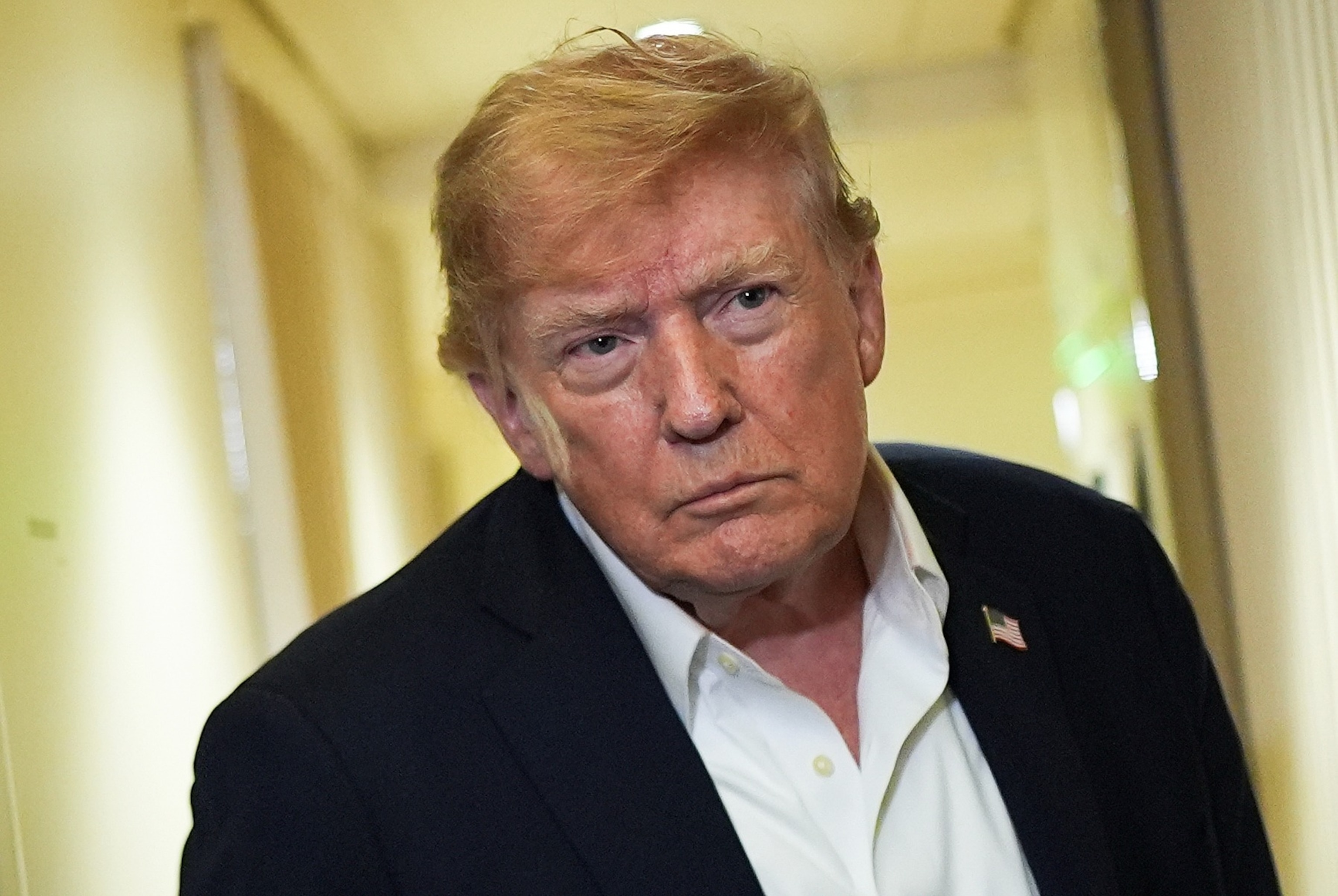
President Donald Trump speaks with reporters while in flight on Air Force One from Shannon, Ireland to Joint Base Andrews, Md., Sept. 13, 2026.
Julia Demaree Nikhinson/AP Photo
The Trump administration has insisted the rules would impose only “modest” ballot design and review requirements on states and that a requirement to submit name, address, and barcode information of intended recipients was not onerous or intrusive.
Democratic-led states and voter advocacy groups have argued that the new USPS regulations are an attempt by the Trump administration to federalize elections, which are historically and constitutionally managed by each state, and make it harder to vote by mail for everyday citizens.
Justices Samuel Alito and Clarence Thomas dissented from the majority, saying they would have allowed the Trump administration to carry out its plan to impose new regulations on mail-in voting.Â
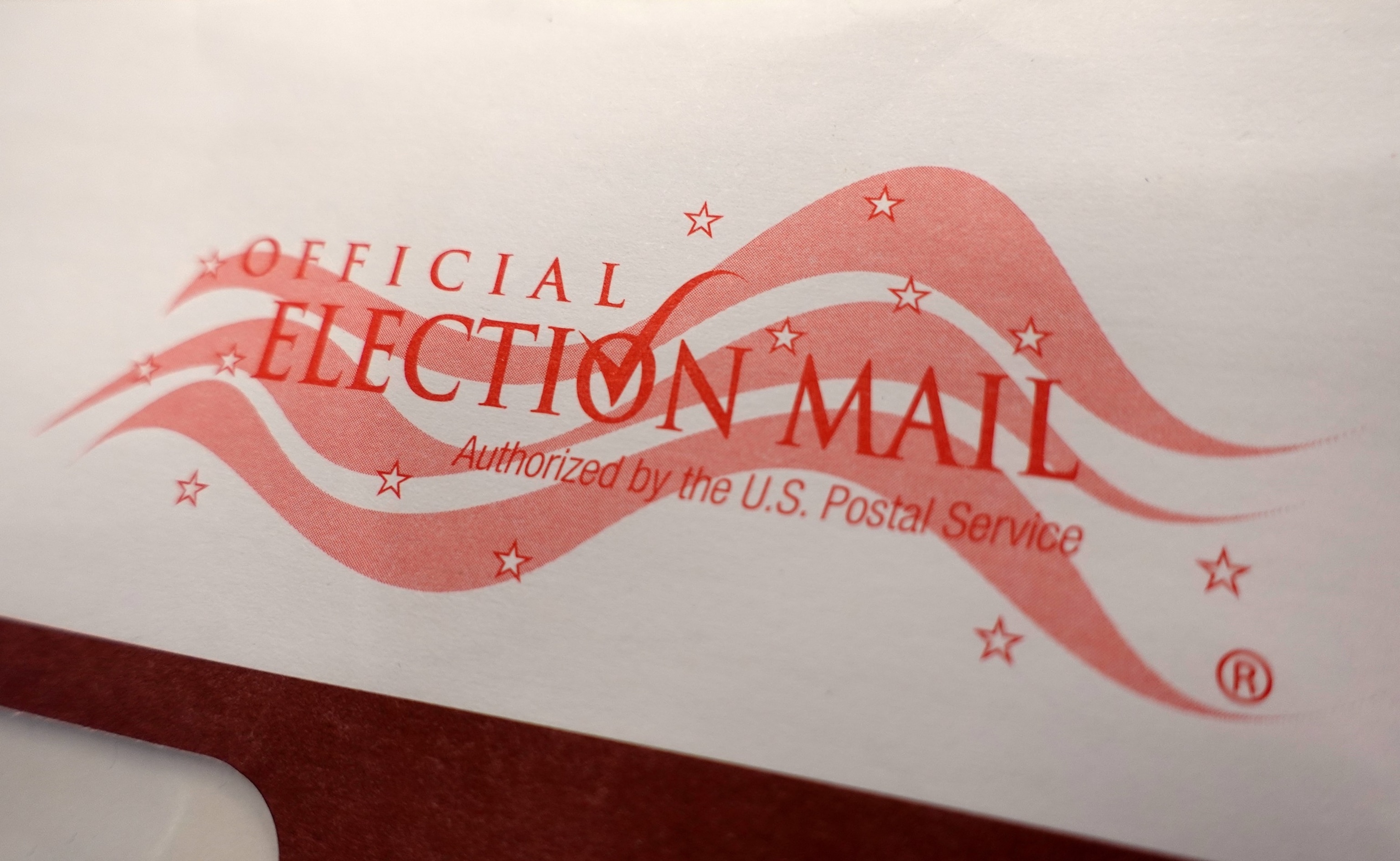
An official mail-in ballot for the November general election in Hudson County, New Jersey is seen, September 11, 2026.
Gary Hershorn/ABC News
In an eight-page dissent, Justice Alito wrote that the new policy falls within the Postal Service's broad authority to regulate the mail.
He wrote that the Postal Service is broadly exempted from the administrative law that has been frequently used by states to challenge “arbitrary and capricious†actions undertaken by the Trump administration, and both justices concluded that the plaintiffs did not meet the high bar to justify blocking the policy – which they described as a “Hail Mary pass.â€Â
“That Hail Mary pass is unlikely to be successfully completed here. The Postal Service has broad authority to regulate the mail,†the dissent said, which added that the organizations that sued lacked standing.Â
While Justice Brett Kavanaugh agreed with the majority, he based his decision largely on the timing of the legal challenge — less than two months from the midterms – rather than the Trump administration's argument about the authority of the Postal Service.Â
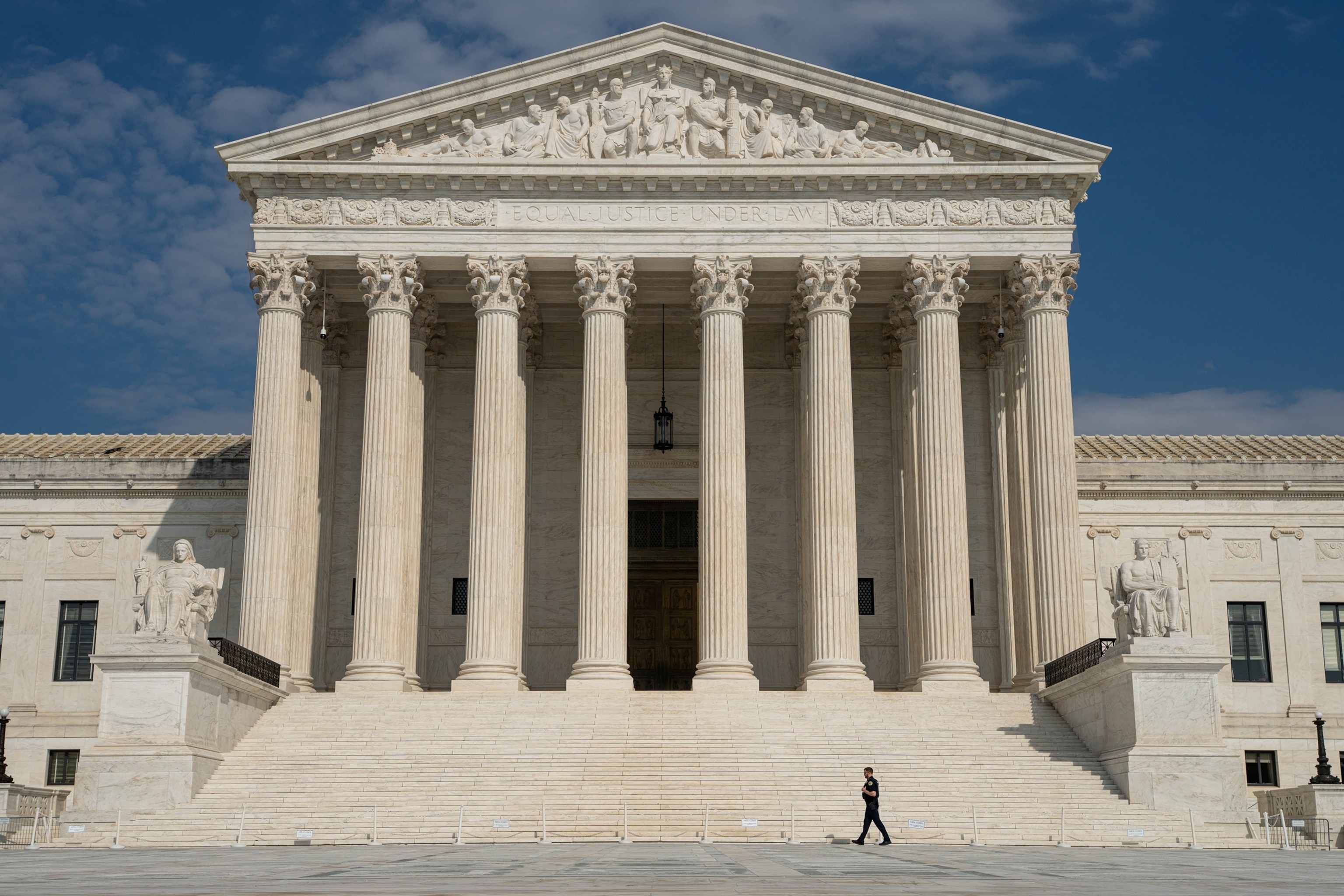
The U.S. Supreme Court in Washington, September 1, 2026.
Aaron Schwartz/Reuters
“In my view, based on the briefing the Court has received at this interim stage, there is at least a fair prospect that the final rule falls within the Postal Service's statutory authority,†he wrote. “ But applying the rule in the 2026 elections would be arbitrary and capricious violation of the Administrative Procedure Act because state and local election officials do not have sufficient time to reasonably implement the rule before the elections.â€Â
Monday’s ruling likely ensures that states can continue mailing out ballots for the midterms as planned, though the legal battle over ballot restrictions has effectively been punted to the 2028 election. Based on the decision, at least three justices are open to the Trump administration's arguments for the next time this case or a similar one returns to the high court.